
Camera Housing Performance Tested In Extreme Icing Conditions At Penn State
When surveillance and research equipment must operate in extreme environments, reliability is not optional. Systems must continue functioning through freezing temperatures, heavy moisture, and ice accumulation without compromising performance.
Recently, our camera housing solution was deployed inside the PSU AERTS II (Adverse Environment Rotor Test Stand II) at Penn State University, where researchers conduct advanced testing to simulate some of the harshest environmental conditions aircraft systems can encounter.
Supporting Advanced Aerospace Research
Penn State’s Aerospace Engineering department operates the Adverse Environment Rotor Test Stand II, a specialized facility designed to study rotor systems and aircraft components under severe icing conditions.
The test stand allows researchers to expose equipment to controlled environmental stress such as:
- Extreme cold temperatures
- Ice accumulation
- High moisture environments
- Dynamic rotor testing conditions
These environments replicate the kinds of challenges aircraft systems face during real-world operations in freezing climates.
For research teams collecting critical data, reliable camera monitoring is essential.
Camera Housing Built For Harsh Environments
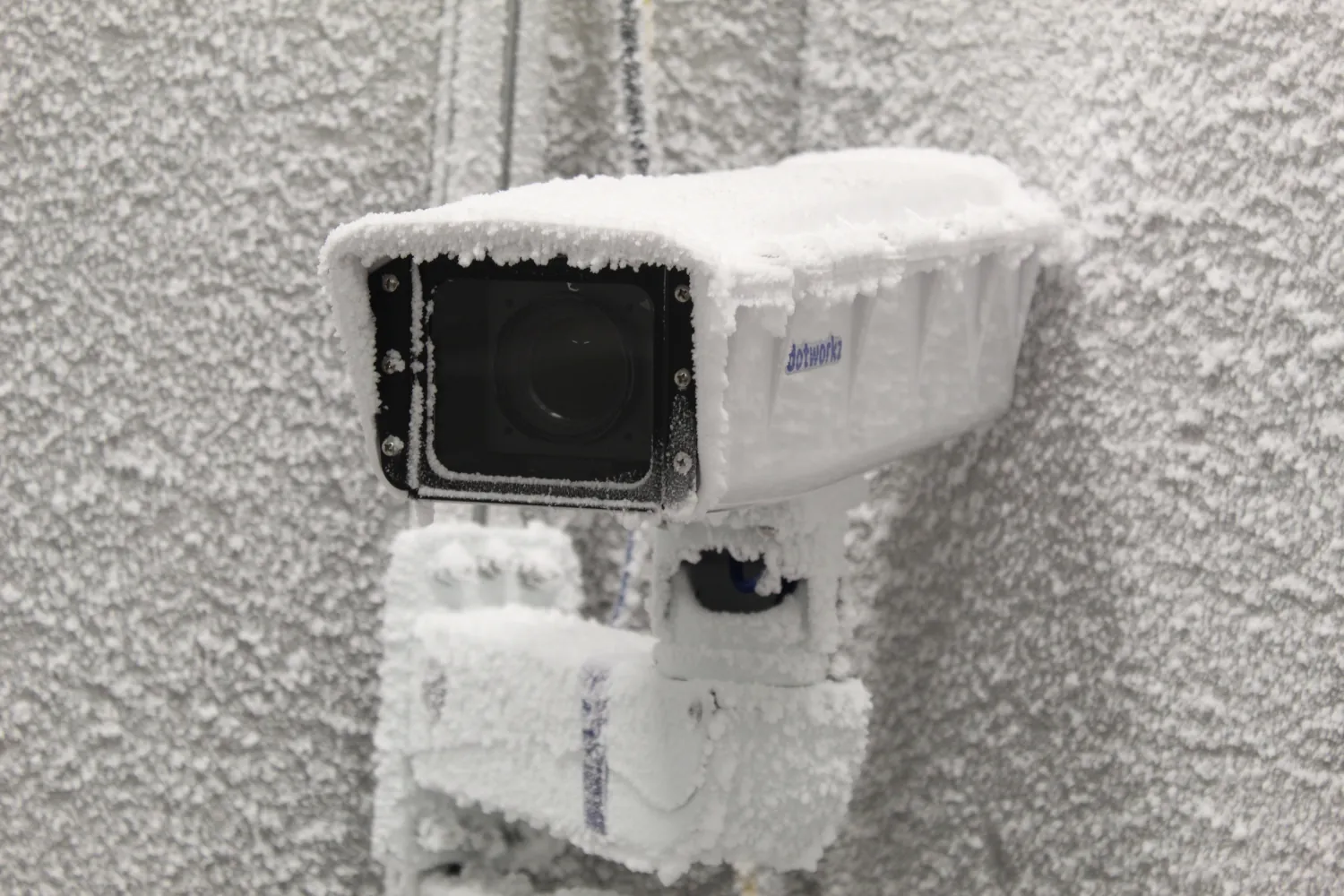
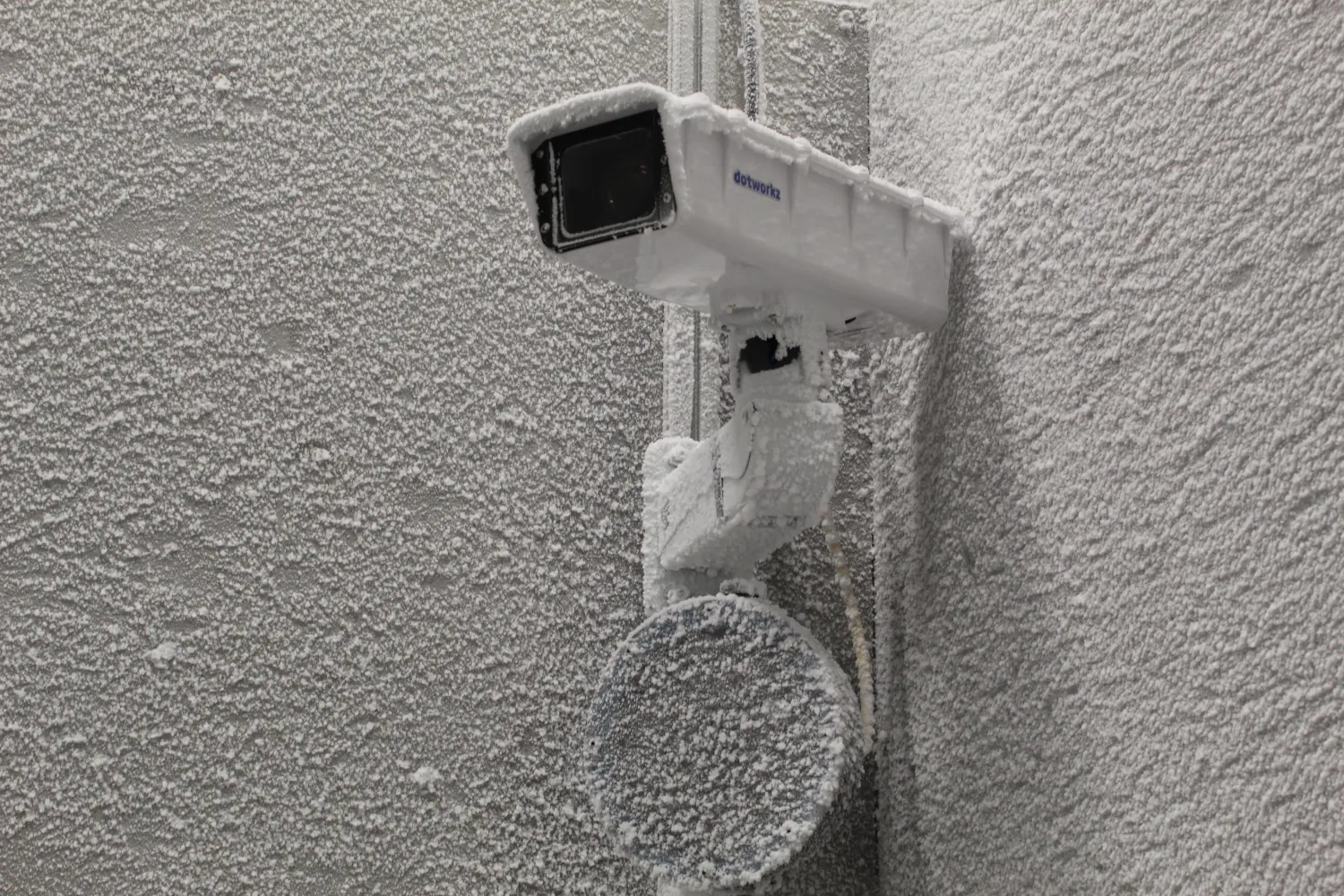
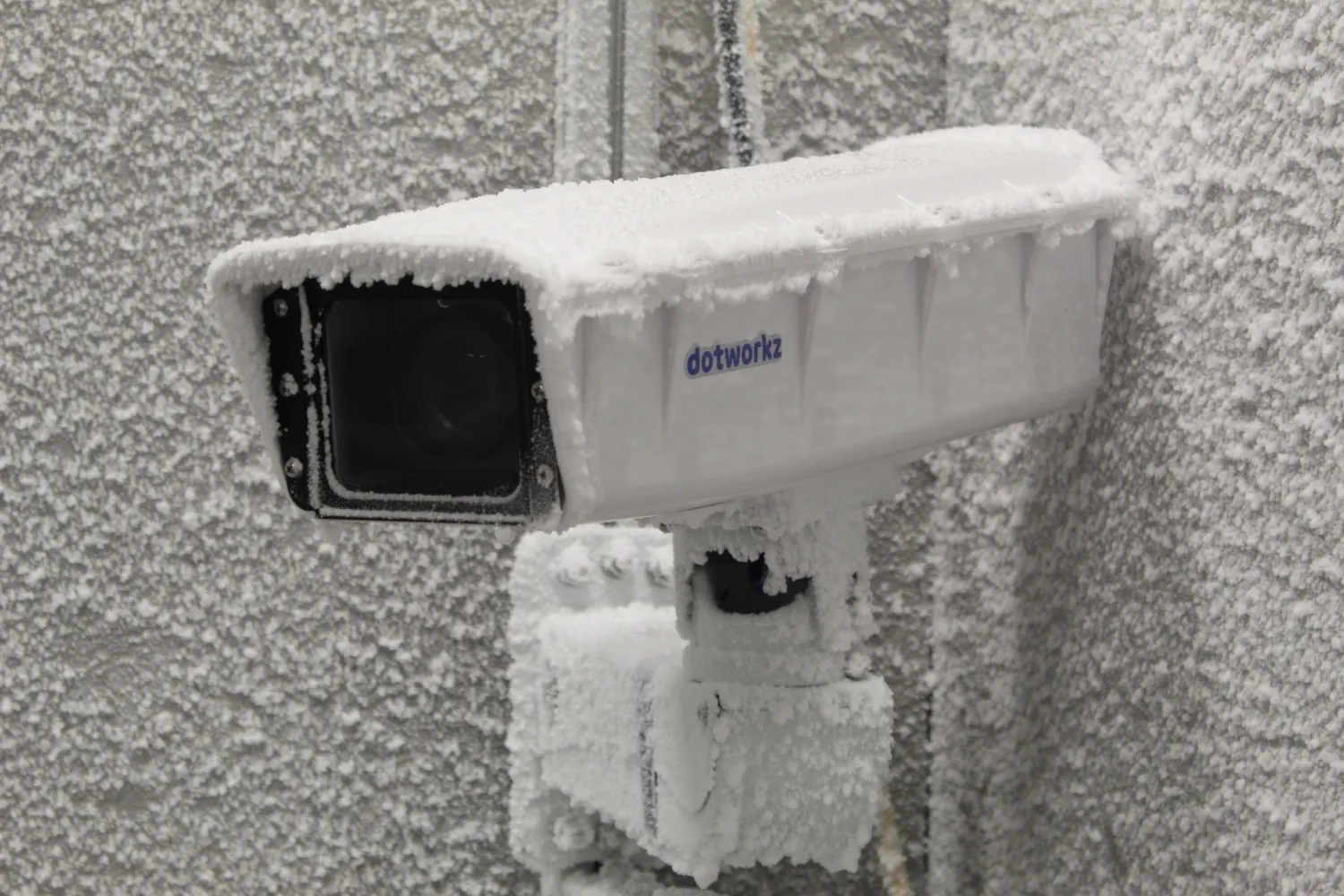
Inside the icing test rig, the camera system is enclosed within a rugged protective housing designed to maintain performance even when environmental conditions become severe.
As shown in the test images, ice accumulation forms across the housing exterior while the camera system continues operating inside the enclosure.
Key environmental challenges include:
- Rapid ice buildup on exposed surfaces
- Continuous freezing conditions
- High humidity and condensation potential
- Laboratory-generated weather simulation
The protective housing helps ensure the camera system remains operational throughout testing, allowing researchers to monitor experiments without interruption.
Why Environmental Protection Matters
Facilities like PSU AERTS II rely heavily on monitoring systems to observe and record complex experiments. If a camera system fails during testing, valuable data could be lost.
Proper camera housing solutions help ensure:
- Continuous monitoring during extreme environmental testing
- Protection of sensitive camera electronics
- Reliable operation during long-duration experiments
- Reduced maintenance and equipment downtime
For research environments where experiments are time-sensitive and costly to repeat, reliability is critical.
Real World Applications Beyond The Lab
While this deployment supports aerospace research, the same environmental challenges exist in many real-world applications.
Camera systems frequently operate in:
- Arctic and alpine environments
- Offshore and marine installations
- Industrial cold storage facilities
- Transportation infrastructure exposed to winter weather
- Environmental research stations
In each of these scenarios, protective camera enclosures play an important role in maintaining consistent monitoring and operational visibility.
Proud To Support Penn State Aerospace Engineering
We are proud to support the work being conducted by the research team at Penn State and the PSU AERTS II Adverse Environment Rotor Test Stand.
Their efforts contribute to advancing aerospace safety, rotorcraft performance, and environmental resilience for aviation systems operating in extreme climates.
We appreciate the opportunity to help support this research with reliable camera housing technology designed for challenging environments.